Articles/City Flow
Mexico City Flow: Metro, Metrobús, and Reforma
Mexico City transit for visitors. The Metro, the Metrobús, Ecobici bikes, the safest taxi apps, and why the elevation matters for how you plan the day.
Mexico City is a very large city built at 2240 meters above sea level. The elevation matters for how you feel on the first day. The transit system is one of the busiest in the world, mostly cheap, and mostly reliable, with a few caveats about safety and time of day. What follows is what actually works.
The one item to buy on arrival is a Tarjeta MI, the rechargeable card that works on Metro, Metrobús, and light rail. It costs 20 pesos and you top it up at any station.
Altitude, first
Mexico City sits high enough that most visitors from sea level feel it. Mild headache, slight shortness of breath on stairs, and reduced tolerance for alcohol are all normal for the first two days. Drink more water than you think you need, ease off on the mezcal for the first evening, and do not schedule anything strenuous on day one.
This affects transit choices. The Metro can be crowded and warm. If you are not acclimated, taking a taxi for longer trips on the first day is not a luxury, it is a reasonable adaptation.
The Metro
The Mexico City Metro has 12 lines. It carries about 4 million passengers per day. A ride is 5 pesos, roughly 25 US cents, and that is the same for one stop or fifteen. This is one of the cheapest metro systems anywhere.
For visitors, Line 1 (pink) is the main east west spine through the historic center. Line 3 (green) connects the historic center to Coyoacan via the university. Line 7 (orange) runs north south along the western side. Lines 2 and 8 are useful for reaching Xochimilco and the airport respectively.
The Metro is safe during daytime and rush hour but pickpocketing is common in crowds. Carry your bag in front. There are women only carriages during rush hours, at the front of each train. This is enforced and used by many local women.
Metrobús: the fast bus above ground
Metrobús is a bus rapid transit network with dedicated lanes. Seven lines cover the parts of the city the Metro does not reach well. For visitors, Line 1 along Insurgentes is the most useful. It is a straight north south corridor connecting Buenavista, Condesa, Roma, Del Valle, and San Angel.
A Metrobús ride is 6 pesos, paid by tapping the Tarjeta MI at the station entrance. Buses come every three to five minutes on Line 1. This is often faster than a Metro ride requiring interchange and always cooler because the buses are air conditioned.
Ecobici and cycling
Ecobici is the docked bike share system. It has been through several redesigns and the current version, launched in 2022, has 6800 bikes and 480 stations concentrated in the central boroughs. A visitor pass is 118 pesos for one day, 234 for three days.
Cycling in Mexico City works well in Roma, Condesa, Juarez, and along the Reforma corridor. It works less well in the historic center where traffic is heavy and cobblestones are common. On Sundays, Reforma is closed to cars from 08:00 to 14:00 for the Muevete en Bici program, and cycling is the correct way to explore the boulevard from Chapultepec to the Zocalo.
Uber, Cabify, and the taxi question
Uber and Cabify both operate reliably in Mexico City. Fares are cheap by international standards. A ride from Condesa to the historic center is 60 to 100 pesos, about 3 to 5 US dollars. Both apps are the safest way to move around after dark.
Street taxis, the pink and white libres, are widely available but not recommended for visitors, particularly at night. Assaults and forced ATM robberies happen. Hotel called taxis and radio taxis are safe. If in doubt, use Uber.
Reforma and the walking city
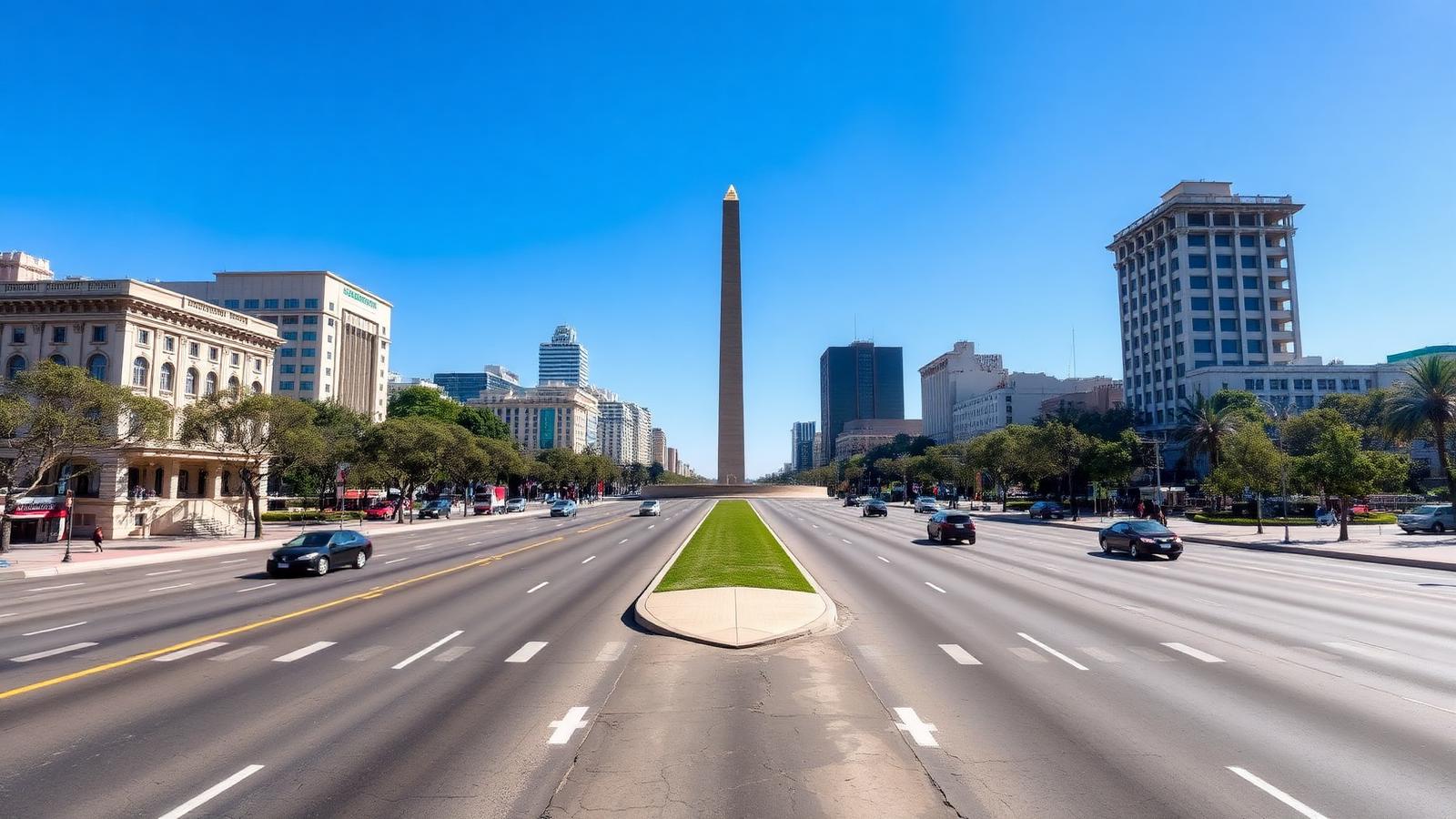
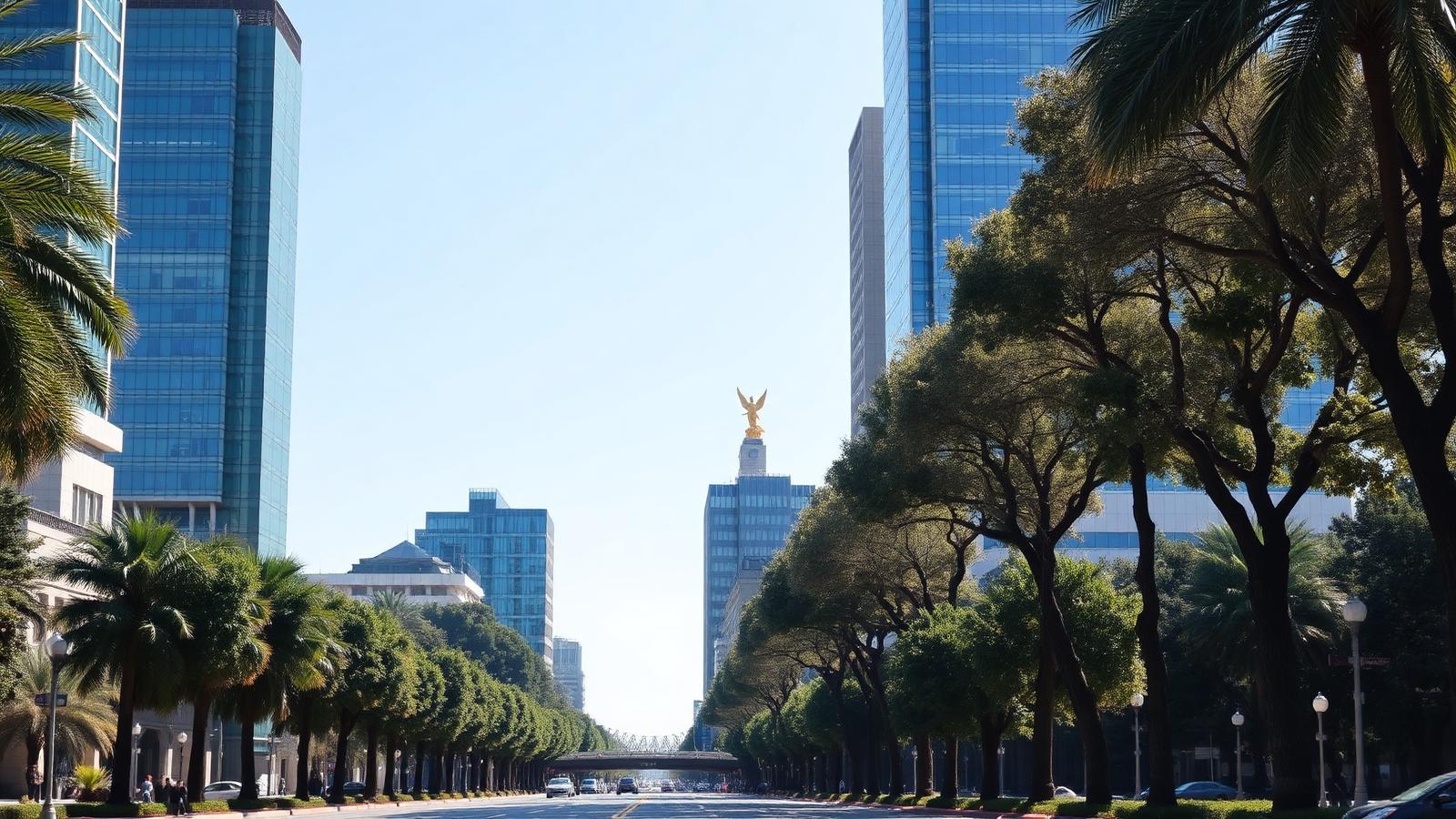
Paseo de la Reforma is the grand diagonal boulevard that runs from Chapultepec Park to the historic center. It is walkable end to end, about seven kilometers, and it passes almost every major landmark: Chapultepec Castle, the Angel of Independence, the Diana fountain, and the modern skyline of Reforma 222.
The walk from the Angel to the Zocalo, three kilometers, is one of the essential Mexico City afternoons. Do it on a Sunday morning when the boulevard is car free.
Airport transfer
Benito Juarez International Airport, MEX, is in the east of the city. Terminal 1 handles most airlines. Terminal 2 handles AeroMexico and Delta. The Metro Line 5 connects to Terminal 1 at Terminal Aerea station, and the Metrobús Line 4 reaches Terminal 1 and Terminal 2. The Metro option is 5 pesos but requires you to carry your bags through crowded stations. Not ideal.
Uber and authorized airport taxis are the sensible options. Uber from central is 200 to 400 pesos depending on time. Authorized airport taxis, bought at a counter inside the terminal, are around 300 to 400. Both are honest.
The new AIFA airport, north of the city, is used by a small number of airlines. Getting there requires a longer transfer of 90 to 120 minutes. Confirm your airport before booking.
Frequently asked
Questions we get about this trip
Is Mexico City transit safe?+
Metro and Metrobús are safe during daylight and rush hour. After dark, or on quieter lines, use Uber. Do not use street taxis at night.
Do I need to speak Spanish?+
In tourist areas of Condesa, Roma, Polanco, and Coyoacan, English is widely spoken. Outside these areas, basic Spanish helps significantly. Google Translate handles most situations.
How does the altitude affect me?+
Mildly. Most visitors adjust within two days. Drink water, eat lightly, take it easy on the first evening. If you have heart or lung conditions, consult your doctor before booking.