Articles/City Flow
Buenos Aires City Flow: SUBE and the Colectivos
Buenos Aires transit for the first visit. The SUBE card, the Subte metro lines, the enormous bus network, and why the taxi still matters.
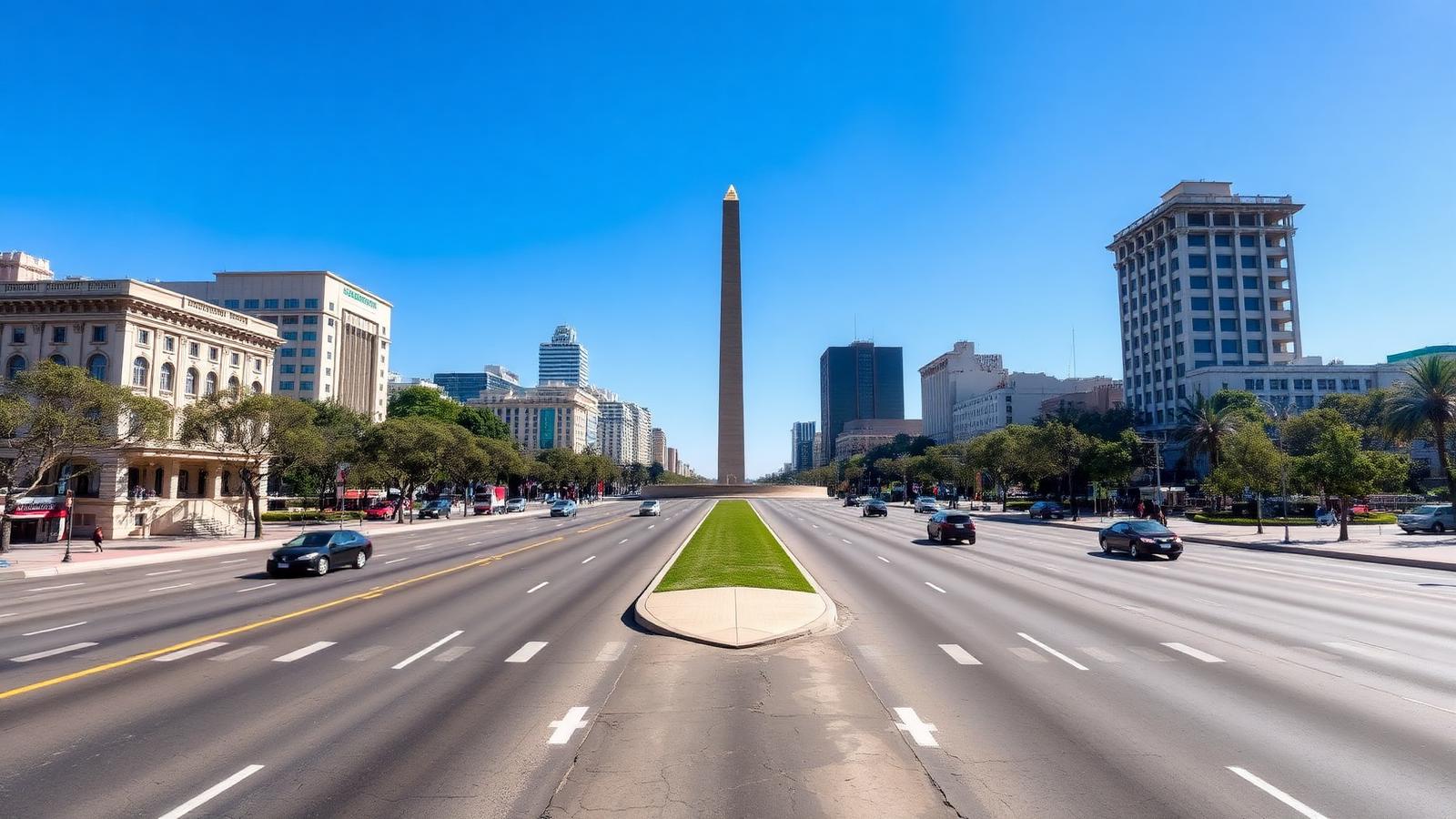
Buenos Aires is a horizontal city. Its neighborhoods, Palermo, Recoleta, San Telmo, La Boca, Puerto Madero, spread across a wide grid, and the trip between them is longer than it looks on a map. The transit system is a mix of the old and the recent: a metro network started in 1913, an enormous bus system, and a taxi culture that is still cheap by international standards.
The single most important action on arrival is buying a SUBE card. It costs about 900 pesos including credit and works on Subte, colectivo, and trains. Without it you cannot take the bus at all. It is sold at any Subte station and at many kiosks and pharmacies.
The Subte: old, cheap, and useful
The Subte has six lines, A through E and H. Line A is the oldest, opened in 1913, and its original wooden carriages ran until 2013. Line B is the fastest and cleanest, running along Corrientes from the center to Chacarita. Line D runs from Catedral in the center to Congreso de Tucuman, passing through Palermo. Line H, the newest, runs north south.
A ride is under 700 pesos, roughly 50 US cents at parallel rates, and you tap in with SUBE. Trains run every 5 to 10 minutes on the main lines, less often on the outer sections. Rush hour is 07:30 to 09:30 and 17:30 to 19:30 and it is crowded but functional.
Line D from Catedral to Plaza Italia is the most useful line for a first visit, connecting the historic center to Palermo in 20 minutes.
Colectivos: 200 bus lines and no simple map
The colectivos are the Buenos Aires city buses. There are around 140 lines within the city and hundreds more into the suburbs. The system is dense, cheap, and moves the city. It is also confusing at first. Every bus has multiple destinations shown in the front window, and the correct choice depends on the letter or number in that window, not just the line number.
For visitors, the practical solution is Google Maps or Cual Bondi, a local bus app. Both give reliable directions. Board through the front, tap SUBE, tell the driver your destination if you are unsure of the fare. Buses run 24 hours on most main routes, though at night the frequency drops to every 30 to 60 minutes.
Taxis and remises
Buenos Aires taxis are metered, painted black and yellow, and cheap by international standards. A ride across central Buenos Aires is under 5 US dollars at parallel rates. Uber and Cabify both operate but the local app Didi is popular and often the cheapest.
Remises are pre booked private cars, slightly more expensive than radio taxis and slightly safer feeling for late nights. Any hotel or restaurant will call one. The remise price is fixed at the time of booking, not by meter.
The train network
Beyond the Subte, Buenos Aires has an extensive suburban rail network with terminals at Retiro, Once, Constitucion, and Federico Lacroze. For visitors, the main useful line is the Mitre line from Retiro to Tigre, which runs 55 minutes north to the Tigre delta on the edge of the city. Tigre is a proper day trip and the train ride is a smooth introduction to the outer city.
The Sarmiento line to Moreno passes through some of the more difficult neighborhoods and is not recommended for casual visits.
Walking: the correct default in Palermo and Recoleta
The neighborhoods of Palermo Soho, Palermo Hollywood, and Recoleta are pleasant to walk. The grid is regular, the sidewalks are wide, and the tree cover on many streets is substantial. Most day time exploration happens on foot with short transit hops between neighborhoods.
The exception is the trip between Palermo and San Telmo, which is far enough to warrant a Subte ride or a taxi. Palermo to Recoleta is a comfortable 25 minute walk.
La Boca and Caminito: transit and safety
La Boca is the southern harbor neighborhood famous for the Caminito, the colored houses. It is worth visiting during daylight but the surrounding streets are rough. Take a taxi or Uber both directions. Do not walk out of the Caminito tourist bubble, and do not visit after sunset.
The 152 bus from central Buenos Aires reaches La Boca and is the local option, but for first visitors the taxi is safer and less stressful.
Airport transfer
Ezeiza (EZE) is the international airport, 35 kilometers south of the city. Aeroparque (AEP) is the domestic airport, three kilometers north of the center. From EZE, the official Manuel Tienda Leon coach to central Buenos Aires is around 12 US dollars and takes 45 to 75 minutes. Taxis are around 25 to 35 US dollars, more at night.
From Aeroparque, a taxi or Uber to Palermo is under 5 US dollars and takes 15 minutes. There is no direct rail transfer at either airport.
Frequently asked
Questions we get about this trip
Do I need to know Spanish?+
In Palermo, Recoleta, and Puerto Madero, English is common. Outside these neighborhoods, basic Spanish helps. Buenos Aires Spanish uses vos instead of tu and che as a filler. Locals appreciate any effort.
Is Buenos Aires safe at night?+
Central Palermo, Recoleta, Puerto Madero, and Palermo Soho are safe. San Telmo is fine before midnight and mixed after. La Boca is unsafe after dark. Use taxi or Uber for late crossings.
How do I handle Argentine pesos?+
Change money at a Western Union or a cueva rather than the airport or bank. The parallel rate, the blue dollar, is roughly 30 to 40 percent better than the official rate. Bring US dollars in fresh, clean bills.