Articles/Executive Routes
Marrakech in Three Days: Medina, Palm Grove, Atlas Foothills
A three day plan that treats the Marrakech medina as one day, the Palm Grove and gardens as a second, and a day trip to the Atlas foothills as the third.
Marrakech is disorienting on purpose. The medina is a walled maze designed for foot traffic and mules, not for map apps, and the initial reaction of most visitors is to walk defensively rather than to look at the city. Three days is enough time to move past that first day and see the place clearly.
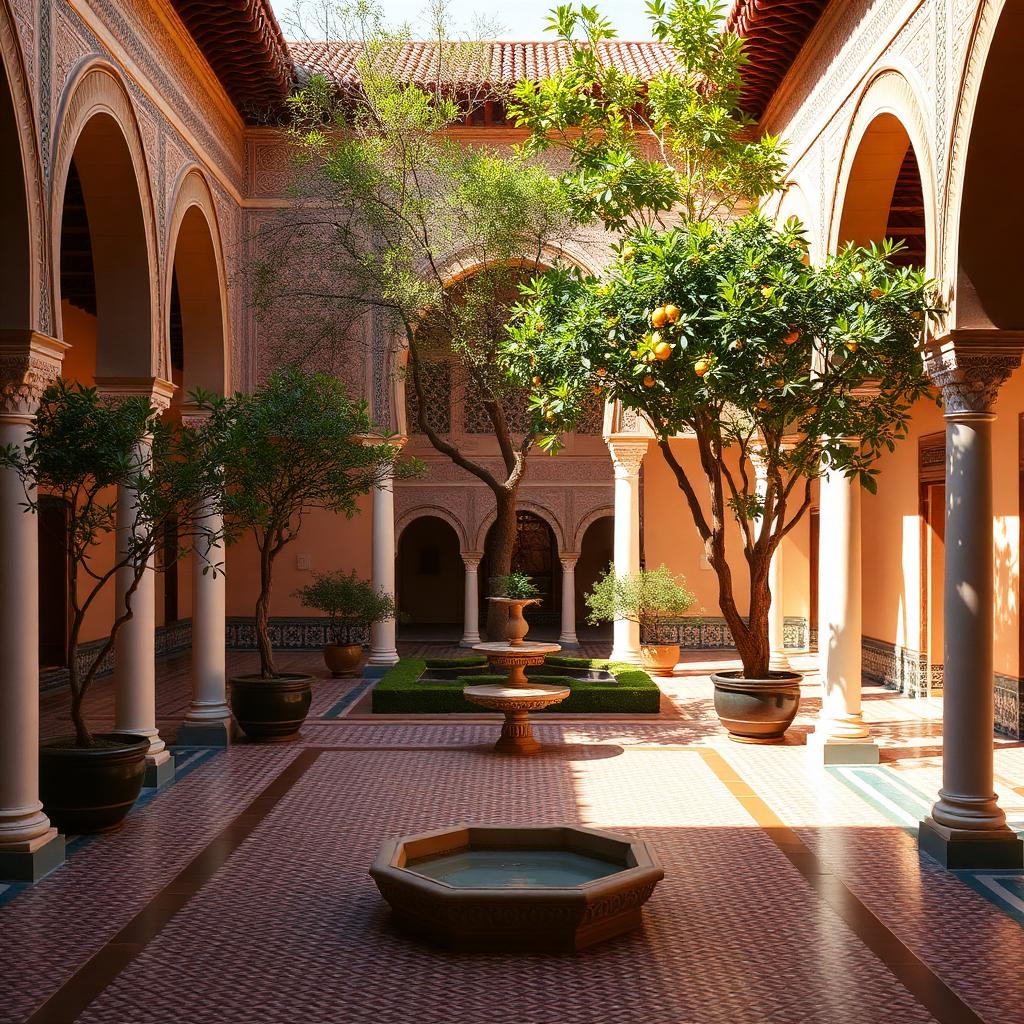
The plan below assumes you are staying in a riad inside the medina walls. This is the correct choice, and any hotel outside the walls, however luxurious, will make the trip logistically harder. Riads look identical from the outside because the design tradition puts all the beauty inward.
Day one: the medina, with a guide for the first morning
Hire a licensed guide for the first four hours of day one. This is worth doing exactly once. A good guide will show you the Ben Youssef Madrasa, the Marrakech Museum, the tanneries, and how to walk the souks without getting lost, and will do it faster than you would alone. Ask your riad to recommend one, expect to pay 300 to 500 dirhams, and be firm that you do not want to be taken to carpet shops.
The Ben Youssef Madrasa, a 14th century Islamic school reopened in 2022 after a long restoration, is the finest single interior in the medina. Twenty minutes of cedar carving and zellige tile at close range. The Bahia Palace, on the southern side of the medina, is second. Both are essential.
Day one, afternoon and evening: Jemaa el Fnaa on its own terms
Jemaa el Fnaa is the main square, and it changes character three times a day. In the afternoon it is fruit sellers, water carriers, and some tired snake charmers. At dusk it fills with food stalls. Around 20:00 it becomes a full sensory event, with storytellers, musicians, and grilled meat smoke that carries across half the medina.
Eat at the stalls once. Number 14 and number 31 are the most reliable, but any stall that is busy with locals is safe. Order what everyone else is ordering. Sit at one of the rooftop cafes above the square, Cafe Argana or Cafe de France, for a mint tea after and watch the crowd from height. This is the correct end to day one.
Day two, morning: the gardens outside the walls
Take a taxi from the Koutoubia to Jardin Majorelle. This was the garden of Yves Saint Laurent, and the cobalt blue walls have become the most photographed spot in Morocco. Book the earliest slot, 08:00, online. The garden is small and packed by 10:30. The Berber Museum inside is 40 minutes and included in the entry.
Next door is the newer YSL Museum, a purpose built collection of the designer's work in a striking terracotta building. If fashion history matters to you, add an hour. If not, skip it and walk to the Jardin Anima, a newer sculpture garden on the road to Ourika. The Anima is far quieter and unusually well designed.
Day two, afternoon: the Palmeraie and a hammam
The Palmeraie is a large palm grove north of the city, criss crossed by tracks and dotted with luxury hotels. It is not a park with an entrance. The best way to see it is a two hour camel or horse ride from one of the operators on the north road. Prices are 250 dirhams for a group camel ride, 500 for a private horse. Beware operators near Jardin Majorelle who quote much higher rates.
In the late afternoon, book a hammam. Any traditional hammam in the medina is an experience. A tourist facing hammam like Les Bains de Marrakech is gentler, longer, and about ten times the price. Both are legitimate. Do this once during the trip. Two hours minimum.
Day three: Atlas foothills and Ourika Valley
The Atlas mountains rise 60 kilometers south of the city and they are visible on any clear morning. A day trip to the Ourika Valley is one of the most rewarding half days from Marrakech. Hire a driver for the day, expect to pay around 800 to 1000 dirhams, and leave by 08:00 to beat the tour buses.
The valley climbs alongside a river. Berber villages are stacked on the terraces above. Stop at Setti Fatma, the last village on the paved road, and hike up the small waterfall trail. It is two hours round trip on a rocky path with cafes along the way. Have lunch at a riverside table, tagine and mint tea, and you will pay about a quarter of Marrakech prices.
If you have already been to Ourika on a previous visit, or you want something quieter, ask the driver to go to Imlil instead. Imlil is the trailhead village for Toubkal, the highest peak in North Africa, and even a two hour hike up to the shrine of Sidi Chamharouch is a genuine mountain experience.
Day three, evening: back in the medina, quietly
Return to Marrakech in the late afternoon. Take a taxi to one of the rooftop restaurants for the third dinner. Nomad on Rahba Kedima, on the roof, is the reliable choice for modern Moroccan. Le Jardin, in the northern medina, has a beautiful ground floor courtyard with green tile and a small pool. Prices at both are two to three times what you paid on Jemaa el Fnaa. Worth it once.
Walk back through the medina to your riad late. The alleys are quieter after 22:00 than at any other time, and this is the moment when the city stops performing and simply exists.
Frequently asked
Questions we get about this trip
Is it safe for solo travellers?+
Broadly yes, with the standard caveats about aggressive touting in the souks and around the main square. Solo women should expect verbal attention but assault is very rare. Dress modestly by choice, not from fear.
How much cash should I carry?+
Marrakech is a cash city. ATMs are common but shops, taxis, and food stalls prefer dirhams in small notes. Budget 400 to 700 dirhams per day per person, plus larger sums for specific activities like the Atlas driver.
What is the best time of year to visit?+
March to May and October to November. July and August are punishingly hot. Winter can be surprisingly cold at night and in the mountains but sunny and pleasant in the medina.