Articles/Executive Routes
The Amalfi Coast in Two Structured Days
How to see the Amalfi Coast in two days without spending them in traffic. Base towns compared, boat versus bus, and which viewpoints are worth the climb.
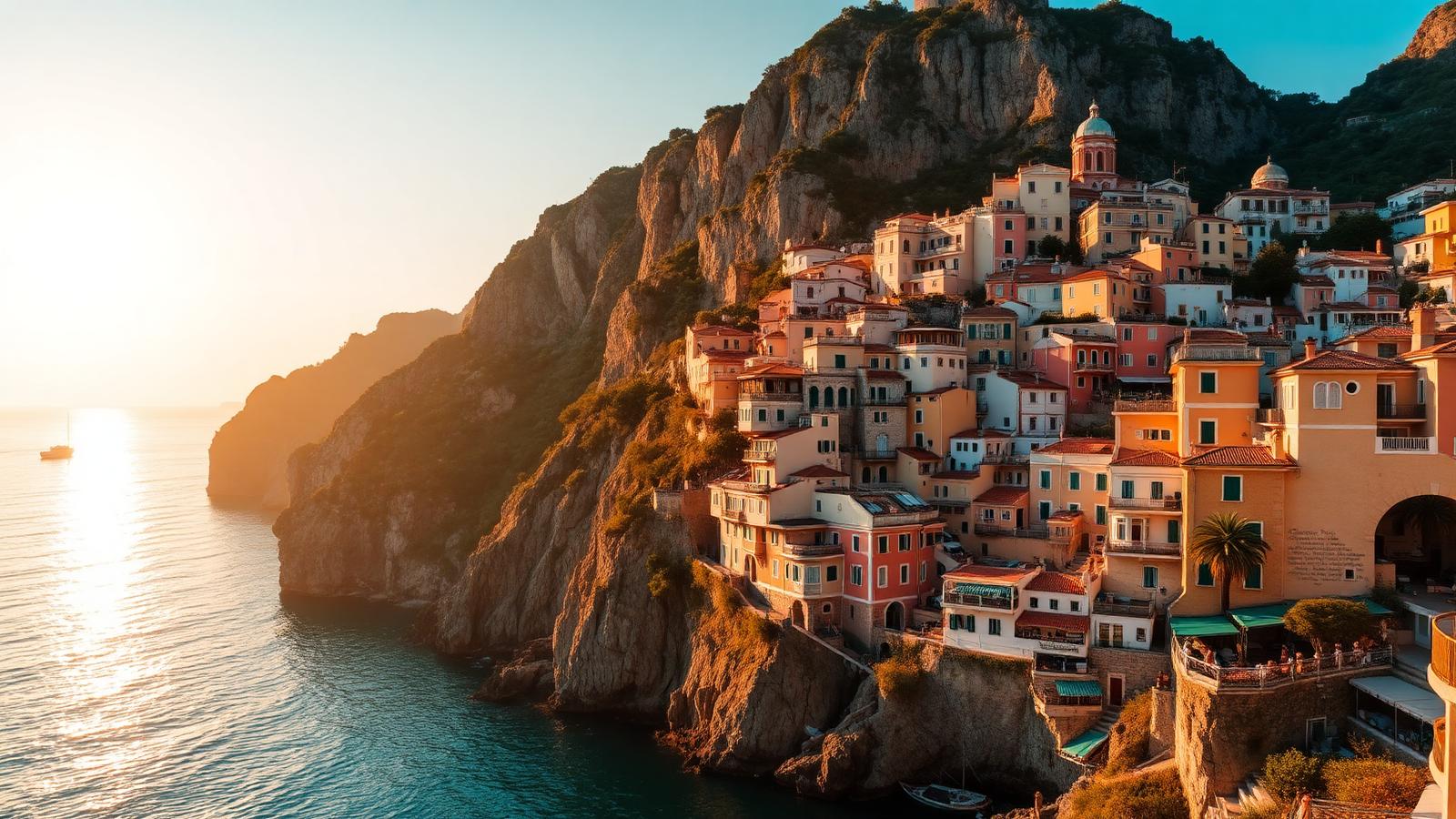
The Amalfi Coast is one of the most rewarding coastlines in Europe and one of the least forgiving to a badly planned visit. The road, State Route 163, is a single narrow ribbon carved into the cliff, and in summer the traffic on it can bring a fifteen kilometer drive to two hours. Any route that tries to combine Positano, Amalfi, and Ravello in a rushed single day is essentially a plan to sit inside a bus.
Two days works, if the base is chosen well and the second day happens on the water instead of on the road.
Choosing a base: Positano, Amalfi, or Ravello
Positano is the postcard. It is also the most expensive, the busiest, and the town that punishes you the most for arriving with a car. Streets are near vertical, parking is limited to a handful of paid garages high above the beach, and moving your luggage in or out involves a small feat of endurance. It is worth staying if the point of the trip is the view and the beach directly below your hotel.
Amalfi is the middle option. It is bigger, flatter, and better connected. The main square around the cathedral is one of the best evening piazzas in southern Italy, and the town is a proper working town rather than a resort. It is my usual recommendation for a first trip.
Ravello is the high option, literally. It sits 350 meters above sea level on a shelf between Amalfi and Minori. It is quieter, cooler in summer, and has two of the finest gardens on the coast at Villa Rufolo and Villa Cimbrone. It is less convenient for evening life but rewarding for a stay of two or three nights.
Day one: Ravello morning, Amalfi afternoon
Take a taxi from your base up to Ravello in the morning. Even if you are staying in Ravello, come out of your hotel by 09:30 to have the town centro to yourself. Villa Rufolo is the first stop. The garden overlooking the sea from the belvedere is a photograph that has been photographed too much and is still worth seeing in person. Twenty minutes.
Villa Cimbrone is a longer walk, about fifteen minutes uphill from the piazza. Do it. The Terrace of Infinity, a marble balustrade lined with white busts overlooking the sea, is the single most striking single spot on the entire coast. Give it an hour.
Have lunch in Ravello or descend by taxi to Amalfi. Amalfi in the afternoon is the town, the cathedral with its Byzantine steps, the small paper museum in the valley behind town, and a coffee on the piazza. Dinner in Amalfi is easier to book than in Positano and less expensive.
Day two: on the water
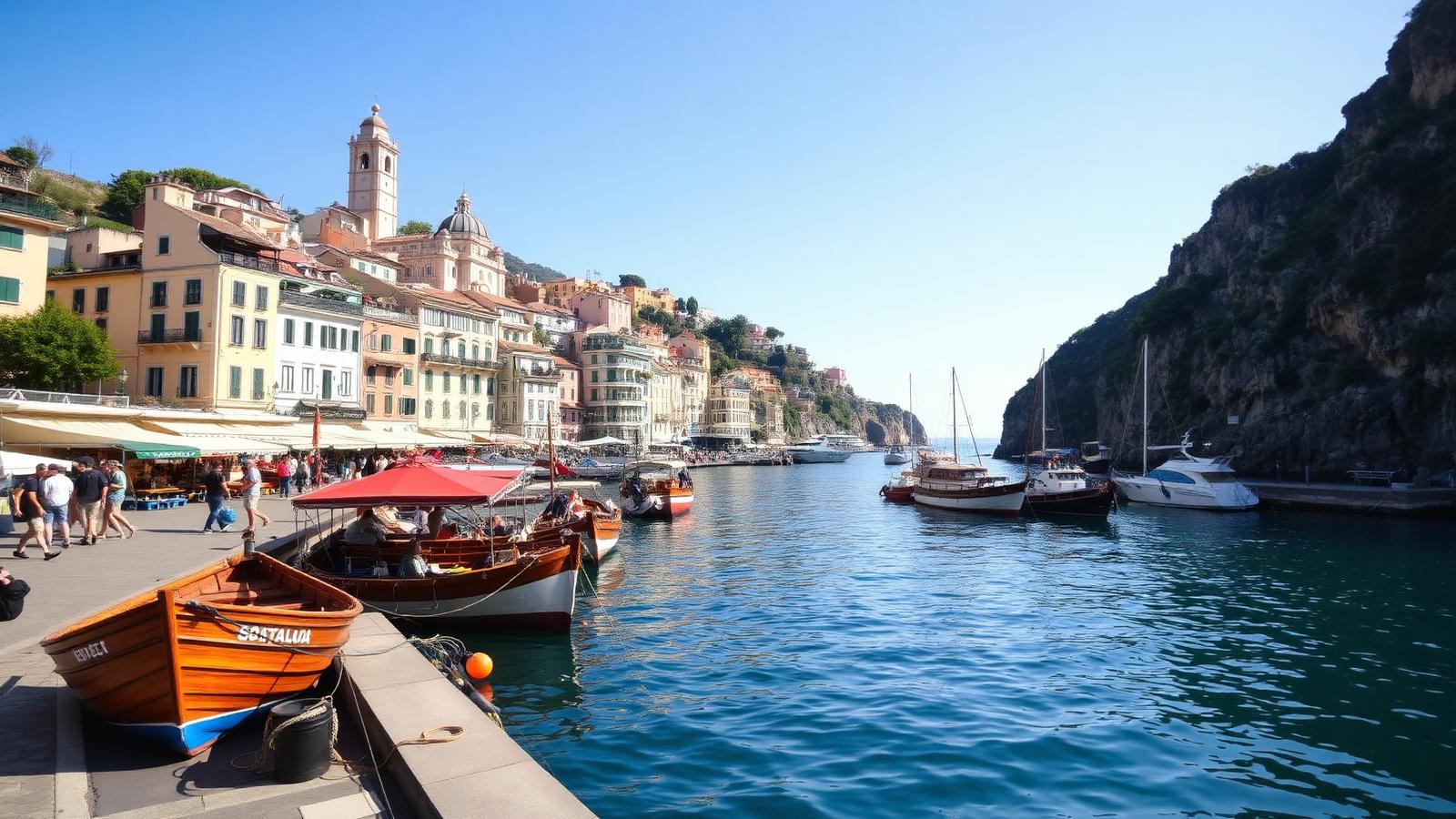
The second day should not be on the SS163 road. Book a boat from Amalfi or Positano for the day. Group boats are cheaper and start around 90 euros per person for a shared full day. Private charters run from 300 to 800 euros depending on size. A private boat is worth it for two couples splitting the cost.
The route usually goes from your starting port along the coast past the Fjord of Furore, the Grotta dello Smeraldo, and Positano, with swim stops in coves that are inaccessible from land. Some boats include Capri as an add on. Capri from a small boat is fine if the weather is calm, and a mistake if the swell is up.
Alternatively, take the public ferries. They connect Salerno, Amalfi, Positano and Sorrento reliably from April to October and cost between 8 and 15 euros a leg. This is the correct way to travel between the towns and it removes the road from the equation.
Positano without staying there
If you are based in Amalfi or Ravello, come to Positano as a half day trip. Take the ferry from Amalfi, spend two hours wandering the vertical alleys, have a granita at the beach, and take the ferry back. The town looks best from the water arriving or leaving. From within, it is beautiful and steep and full of people carrying shopping bags with rope handles.
Path of the Gods, if you can add half a day
The Sentiero degli Dei, the Path of the Gods, is a walking trail that runs from Bomerano to Nocelle above Positano. Seven kilometers, about three hours, downhill overall, and one of the best coastal walks in Europe. It is not a hard hike but it is not a stroll either. Wear proper shoes. Take water. Start early.
This is the third day activity for anyone extending the trip beyond two days, and it is a strong argument for adding one.
Frequently asked
Questions we get about this trip
When is the coast at its best?+
Mid May to mid June, and mid September to mid October. July and August are hot, crowded, and traffic locked. Winter is beautiful but many restaurants and hotels close.
Should I rent a car?+
Only if you are extending the trip inland into the Cilento or Puglia. For the coast itself, buses, ferries, and taxis are less stressful.
How do I get there from Rome?+
Train from Rome to Naples, roughly 70 minutes on the high speed. Then a Circumvesuviana train to Sorrento and a bus or ferry across to the coast, or a private transfer for around 130 euros directly to your hotel.