Articles/City Flow
Hong Kong City Flow: Octopus, Trams, and Star Ferry
How to move around Hong Kong. The MTR, the double decker trams, the Star Ferry, the mid levels escalator, and the Octopus card that ties them together.
Hong Kong is a small city geographically but a dense one in every direction. The transit system is old, layered, and unusually varied. Metro, trolley trams, mountain trams, a passenger ferry, and a two kilometer covered escalator all move parts of the city that a straightforward metro network could not.
The one thing to buy on arrival is an Octopus card. Contactless bank cards work on the MTR now but Octopus works on everything, and it is a Hong Kong artifact worth having.
MTR, the fast layer
The MTR is Hong Kong's subway. It has 12 lines, runs frequently, and reaches every part of urban Hong Kong plus the airport, the new territories, and the border with Shenzhen. For tourists, the Island Line, the Tsuen Wan Line, and the Airport Express are the priorities.
The Island Line runs east to west along the northern shore of Hong Kong Island, connecting Central, Admiralty, Wan Chai, Causeway Bay, and North Point. The Tsuen Wan Line crosses the harbor from Central to Tsim Sha Tsui and continues north through Mong Kok and Kowloon Tong. Between these two, most first time itineraries can be handled without ever touching another line.
The Star Ferry
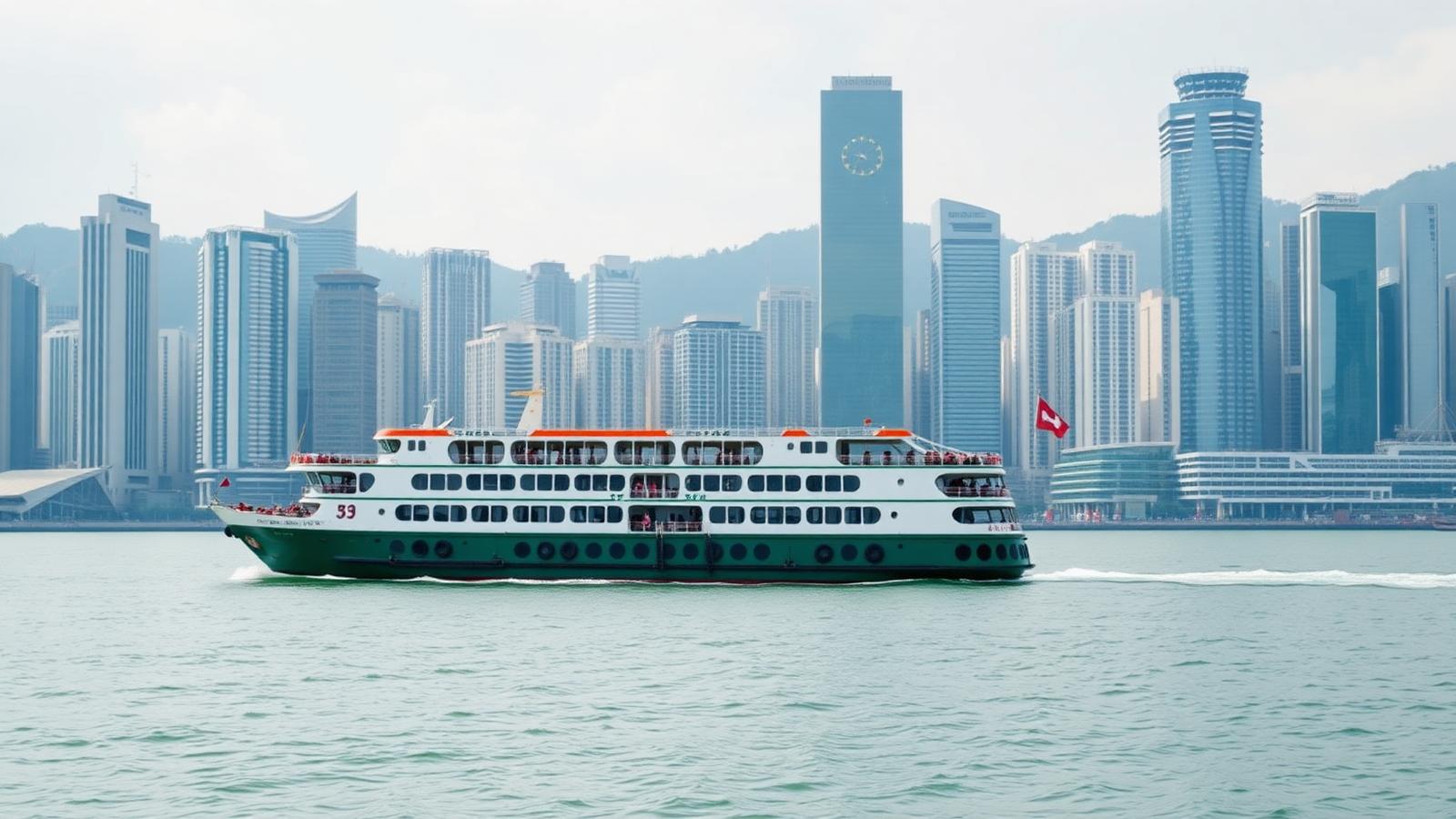
The Star Ferry has been crossing Victoria Harbour since 1888. It runs between Central on Hong Kong Island and Tsim Sha Tsui on Kowloon side, ten minutes across, for 5 Hong Kong dollars upper deck. This is one of the great short journeys in the world. Every visitor should take it at least once during daylight and once at night.
The MTR is faster if you are actually going somewhere. The Star Ferry is worth the extra ten minutes on almost every crossing. The lower deck is quieter and cooler. The upper deck has the view. Sit on the upper deck.
The Hong Kong tramway
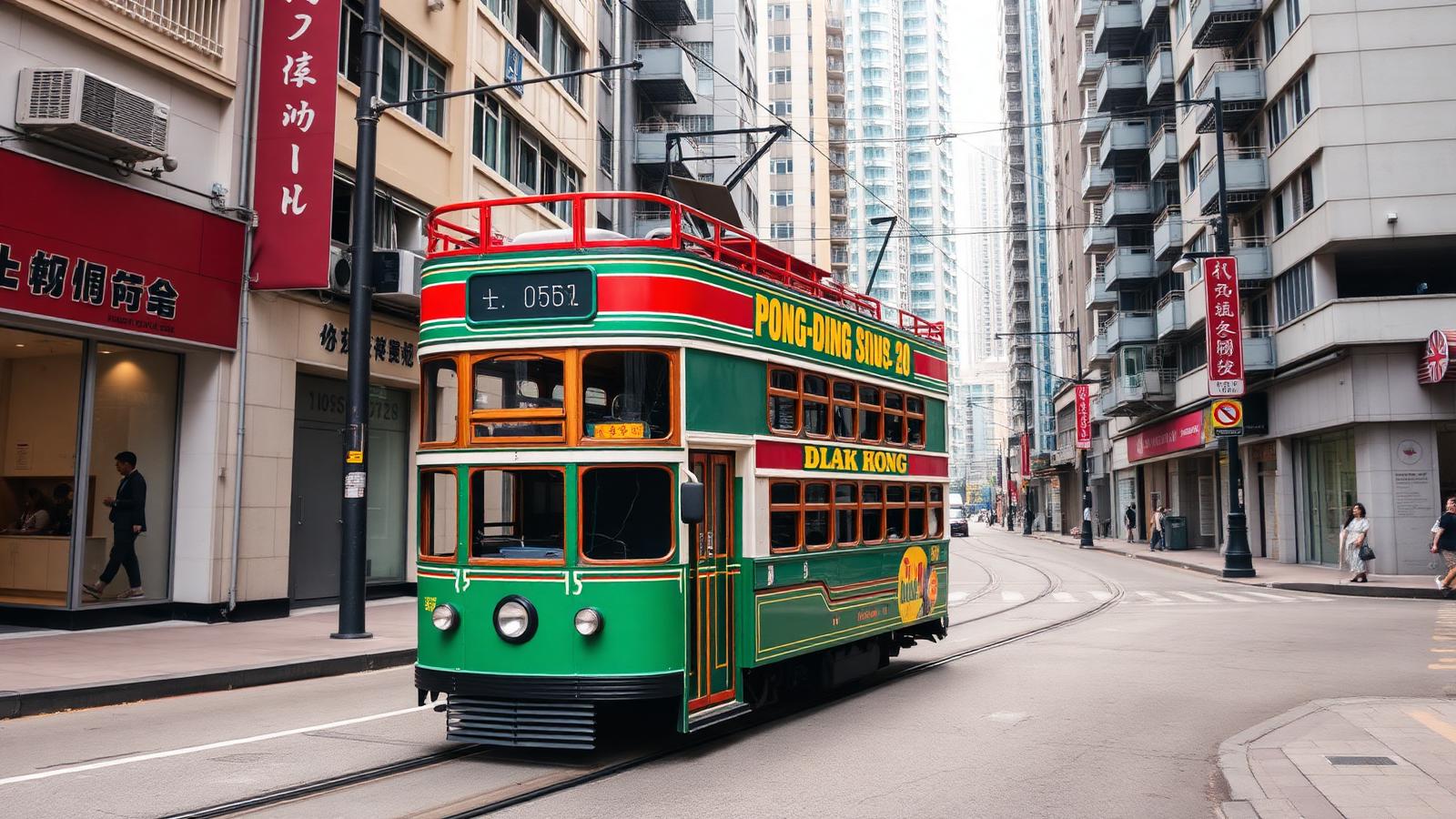
The double decker electric trams that run along Hong Kong Island's northern shore have been in service since 1904. They are the slowest way to cross the island but they are also the cheapest, at 3 Hong Kong dollars flat fare, and they give a moving ground level view of the city that the MTR cannot match.
Route from Kennedy Town to Shau Kei Wan on a spare afternoon takes about 90 minutes and passes through every major neighborhood on the island. Sit upstairs at the front. Pay in exact change or tap Octopus on exit.
The Central Mid Levels Escalator
The Mid Levels Escalator is an 800 meter chain of covered escalators and moving walkways that climbs the steep slope of Hong Kong Island from Central to the Mid Levels residential area. It is the longest outdoor covered escalator system in the world. It runs downhill until 10:00 in the morning and uphill for the rest of the day, following commuter direction.
The escalator passes through SoHo, the Central bar district, and it is a legitimate way to reach restaurants that would otherwise require a steep climb. Walk down between segments to explore side streets. This is one of the more distinctive urban features anywhere.
The Peak Tram
The Peak Tram is a funicular that has been climbing Victoria Peak since 1888. It is a tourist ride now more than a transit option, and the queue at the lower station can reach 90 minutes on weekends. Buy the timed entry Peak Tram Sky Pass online, arrive at your slot, skip the queue.
The Peak itself is Hong Kong's most famous viewpoint. Do it once on a clear day at sunset. Take the bus 15 down rather than the tram back. The bus route through the mid levels is scenic and there is no queue.
Buses and minibuses
Hong Kong has an enormous bus network. The double decker city buses handle main routes and are easy to use, with English signage and Octopus tap. The green minibuses are 16 seat vans that fill in smaller routes. The red minibuses are 16 seat vans that stop on demand and follow negotiable routes. For a first visit, stick to city buses.
Bus 15 from Central to the Peak, bus 6 from Central to Stanley across the island, and bus A21 from Kowloon to the airport are the three most useful for visitors.
Airport transfer options
The Airport Express train runs from Central and Kowloon to Hong Kong International in 24 minutes, every 10 minutes, for 115 Hong Kong dollars one way from Central or 105 from Kowloon. It has free in town check in for major airlines, meaning you can drop your bags at the Central station in the morning and travel light for your last day in the city.
The cheaper alternative is bus A21 from Kowloon or A11 from Hong Kong Island, both around 40 Hong Kong dollars, taking 60 to 80 minutes depending on traffic. Fine outside rush hour. Taxis are the third option, 300 to 400 Hong Kong dollars to central.
Frequently asked
Questions we get about this trip
Is the Octopus card still worth it?+
Yes. Contactless bank cards work on the MTR but Octopus also works on trams, ferries, buses, convenience stores, and older paper terminals in older shops. It is the single most useful item in your pocket.
How much English is spoken?+
MTR signage and announcements are trilingual, Cantonese, Mandarin, English. Restaurant menus in tourist areas are usually in English. In older neighborhoods English decreases quickly but Google Translate handles most cases.
Can I use my phone as an Octopus card?+
Yes. Octopus is available as a virtual card in Apple Wallet and Google Wallet. Add it before you arrive and top up in the app. This is the easiest option now.
